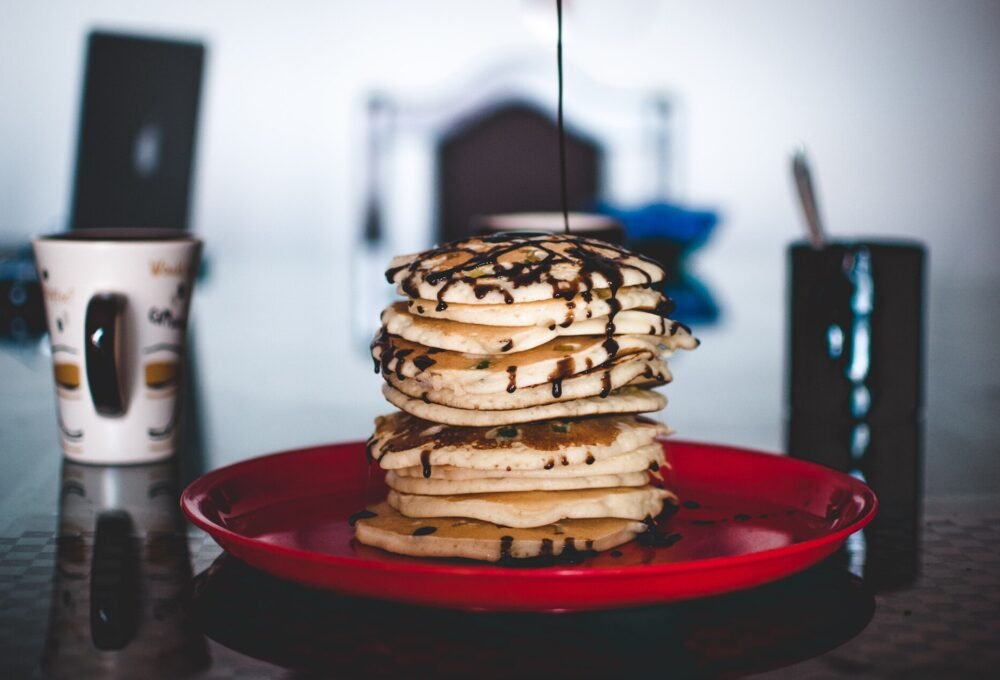
Here is a small mystery of American chain dining: the same value meal is advertised at one price on television and shows up a dollar higher on the menu board in your town. That is the whole story behind the IHOP 7 dollar menu. IHOP’s everyday value lineup, the set of budget plates the chain promotes nationally, is priced by individual franchise owners, and in a large share of the country that price settles at seven dollars. So the IHOP 7 dollar menu is not a separate menu at all. It is the value menu, wearing the price tag your local market put on it.
This guide explains what the value lineup includes, why the price moves between towns, which of the $7 plates are actually worth your seven dollars, and how the lineup compares with IHOP’s other budget options. Prices below are typical ranges, and as you are about to learn, the word “typical” is doing real work in that sentence.

What Is on the IHOP 7 Dollar Menu?
The value lineup behind the IHOP 7 dollar menu is short on purpose. IHOP built it as a handful of complete plates at one aggressive price, not a sprawling dollar-menu free-for-all. The classic build of the lineup looks like this: a breakfast plate with two eggs, two buttermilk pancakes, hash browns, and bacon or sausage; a ham and cheese style omelette with pancakes; a crispy or grilled chicken sandwich with fries; and a pancake plate paired with breakfast meats. Names and exact builds shift a little by year and by market. The chain has marketed similar lineups under banners like House Faves, and older guests will remember earlier value pushes at the $6 mark in some regions.
What does not change is the idea. Every plate on the IHOP 7 dollar menu is a full meal, not a snack-sized teaser, and every one of them borrows its components from the regular menu rather than using cheaper substitutes. The pancakes are the regular buttermilk pancakes. The eggs are the regular eggs. You are paying less because the combinations are simple and the portions are set, not because the kitchen swaps in lesser ingredients when the price drops.
| Value Plate | What You Get | Typical Price |
|---|---|---|
| Breakfast Plate | Two eggs, two buttermilk pancakes, hash browns, bacon or sausage | $6 – $7.99 |
| Omelette Plate | Ham and cheese style omelette with two pancakes | $6 – $7.99 |
| Chicken Sandwich | Crispy or grilled chicken sandwich with fries | $6 – $7.99 |
| Pancake Plate | Buttermilk pancakes with bacon or sausage | $6 – $7.99 |
Why $7 Here and $6 Somewhere Else?
Nearly every IHOP is owned by a local franchisee, and franchisees set their own menu prices within the brand’s guardrails. Rent, wages, and food costs in a coastal metro are simply not the same as in a small Midwestern town, so the national value lineup lands at different numbers. In lower-cost markets, plenty of restaurants still hold the line at $6, which is why our companion guide to the IHOP $6 menu exists. In higher-cost markets, the identical plates wear a $7 tag, and a few locations nudge higher still.
This is worth understanding before you feel cheated at the register. The IHOP 7 dollar menu is not a bait and switch. It is the same promotion filtered through local economics, and IHOP’s own fine print has always said prices vary by location. The practical move is simple: check your specific restaurant’s lineup on the official IHOP menu before you go, especially if the $7 price point is the whole reason for the trip.

The Best Orders at the $7 Price
Not all value plates are equal, so let us rank them the way regulars do. The breakfast plate is the strongest deal on the IHOP 7 dollar menu, full stop. Eggs, pancakes, hash browns, and meat is the complete IHOP experience in one order, and priced as separate items it would cost several dollars more. The omelette plate runs second: it is the pick for guests who want protein to carry the meal, and the included pancakes keep it from feeling like a compromise.
The chicken sandwich is the sleeper. People forget IHOP grills a respectable chicken sandwich, and at the value price with fries it competes with fast-food combos while coming with table service and coffee refills. The plain pancake plate is the weakest value of the four, not because it is bad, but because pancakes are already reasonably priced on the regular menu. If your heart is set on pancakes alone, compare the regular stack prices in our IHOP pancakes menu guide before defaulting to the value plate.
How the $7 Lineup Compares With Other IHOP Deals
The IHOP 7 dollar menu sits in the middle of the chain’s budget landscape. Below it, when a location prices the same lineup at $6, you are simply in a cheaper market. Beside it, the broader IHOP value menu collects the everyday bargains available to every guest, including seasonal promotions that undercut even these plates for a few weeks at a time. Above it, the regular menu gives you bigger portions and the full range of dishes, at prices that typically run $3 to $6 higher per plate.
One comparison gets overlooked: guests 55 and over should price-check the 55+ section before ordering a value plate. As our IHOP 55 menu guide shows, senior portions of similar breakfasts often land within a dollar of the value plates, sometimes below, with a wider choice of dishes. The value lineup wins on simplicity. The senior section wins on range. Either way, a full hot breakfast for around seven dollars, served at a table, with coffee, remains one of the better deals left in American casual dining.

A Short History of IHOP Value Pricing
Value lineups are not new at IHOP. The chain has cycled through budget promotions for decades, from all-you-can-eat pancake seasons to weekday slam specials, because a diner-style brand lives or dies on the feeling that a family can eat well without doing math at the table. The modern everyday value lineup is the most disciplined version of that idea: fewer items, fixed builds, and a price the chain can advertise nationally while franchisees adjust it to their market.
The creep from lower price points toward seven dollars tells its own story about the last few years of food costs. Eggs, bacon, and cooking oil all swung wildly in price, and a fixed national bargain price became hard for owners to hold. Rather than kill the lineup, most markets let the number float a dollar. Guests mostly accepted the trade, because the comparison was never really other diners. It was the drive-thru combo meal, which climbed past the same price while offering a smaller, faster, lonelier breakfast. A sit-down plate with refills at the same money still wins that argument most mornings.
Frequently Asked Questions
Is the IHOP 7 dollar menu a separate menu?
No. The IHOP 7 dollar menu is the name guests give to IHOP’s everyday value lineup when their local restaurant prices it at $7. The same lineup appears at $6 in lower-cost markets.
What comes on the IHOP 7 dollar menu?
Typically four plates: an egg, pancake, and hash brown breakfast; an omelette with pancakes; a chicken sandwich with fries; and a pancake plate with bacon or sausage. Exact builds vary a little by location and year.
Is the $7 menu available all day?
At most locations, yes. The value plates are built from regular menu components, and IHOP serves its breakfast items all day. A few restaurants limit value pricing to certain hours, so it is worth a quick check before an evening visit.
Why did my restaurant charge more than $7?
Franchise owners set local prices, and some markets price the value lineup at $7.50 or $7.99. The promotion’s fine print has always allowed this. Checking your location’s menu online before you go avoids the surprise.
Which $7 plate is the best value?
The breakfast plate, by a clear margin. It combines eggs, pancakes, hash browns, and meat that would cost noticeably more ordered separately. The omelette plate is the best pick if protein matters most to you.

The Bottom Line
Strip away the advertising and the IHOP 7 dollar menu is a simple, honest proposition: a complete breakfast or lunch, made from the regular menu’s ingredients, for the price of a fancy coffee drink. The price wobbles by town because franchise economics wobble by town, and now you know why. Check your local lineup, order the breakfast plate, bring a newspaper or good company, and enjoy one of the last true bargains left in sit-down dining.
2 comments
Comments are closed.