If you search in Spanish for an IHOP menu, you will meet a mix of Spanish titles, English dish names, and machine translated pages that do not always agree. This guide to the español menu de ihop clears that up. It is written in English, with Spanish menu terms explained in plain words, so a Spanish speaking reader, or someone ordering for Spanish speaking family, can understand each section before they walk in. You do not need to guess what a dish is from its name alone, and you do not need to rely on a rough translation that drops the details that matter, like portion size, sides, and price range.
Spanish searches for this menu usually mean one of three things: a reader wants the menu explained in Spanish, a reader wants the Spanish names for familiar dishes, or a reader wants a restaurant where staff can help in Spanish. The español menu de ihop guide covers all three, but it is not the same as the live article titled menu de ihop, which is a general Spanish titled overview linked below. This page goes further, explaining sections dish by dish and showing how to use the official site language options.
Quick Answer: The español menu de ihop covers the same sections as the English menu: panqueques (pancakes), tostadas francesas (French toast), tortillas de huevo or omelettes, desayunos combinados (egg combos), almuerzo (lunch), cena (dinner), and postres y bebidas (desserts and drinks). Use the Spanish dish names in this guide to order, check the official site for current items, and note that prices vary by location.
What the Spanish Menu Search Really Means
Search engines treat Spanish and English queries differently, and that is why results for the español menu de ihop can look confusing. Some results are Spanish language pages about IHOP, some are English pages with a Spanish title, and some are third party lists translated automatically and never checked. A translated list may keep an English price from another year, so keep the English dish name beside the Spanish term wherever it helps, and point to either version in store.
It also helps to know that the brand name stays IHOP in Spanish text, while International House of Pancakes is sometimes rendered as Casa Internacional de Panqueques. Desayuno means breakfast. Regional words differ: in Mexico, a pancake is often a hot cake, while in other countries panqueque is more common, and this guide uses panqueque as the main word.
Panqueques, Tostadas Francesas and Waffles
The sweet opening section is where Spanish terms matter most, because the dishes look similar but the names change. Panqueques de suero de leche are buttermilk pancakes, the classic stack. Panqueques con frutas carry fruit toppings such as fresas (strawberries), plátanos (bananas), or arándanos (blueberries). Tostadas francesas is French toast, made from bread soaked in egg and milk, then griddled and served with syrup or fruit. Gofres are waffles, crisp outside with deep pockets for syrup. If you want a plain stack, ask for panqueques sencillos or simply point to the buttermilk stack on the menu and say the English name as well, which removes any doubt.
Syrups and toppings have their own words too: jarabe de arce is maple syrup, mantequilla is butter, crema batida is whipped cream, and chocolate means chocolate. A short stack, or pila corta, suits a lighter appetite or a shared order, while a full stack suits a hungry solo diner. Seasonal specials rotate, so check the current menu before promising a specific stack to a child, and remember that prices vary by location.
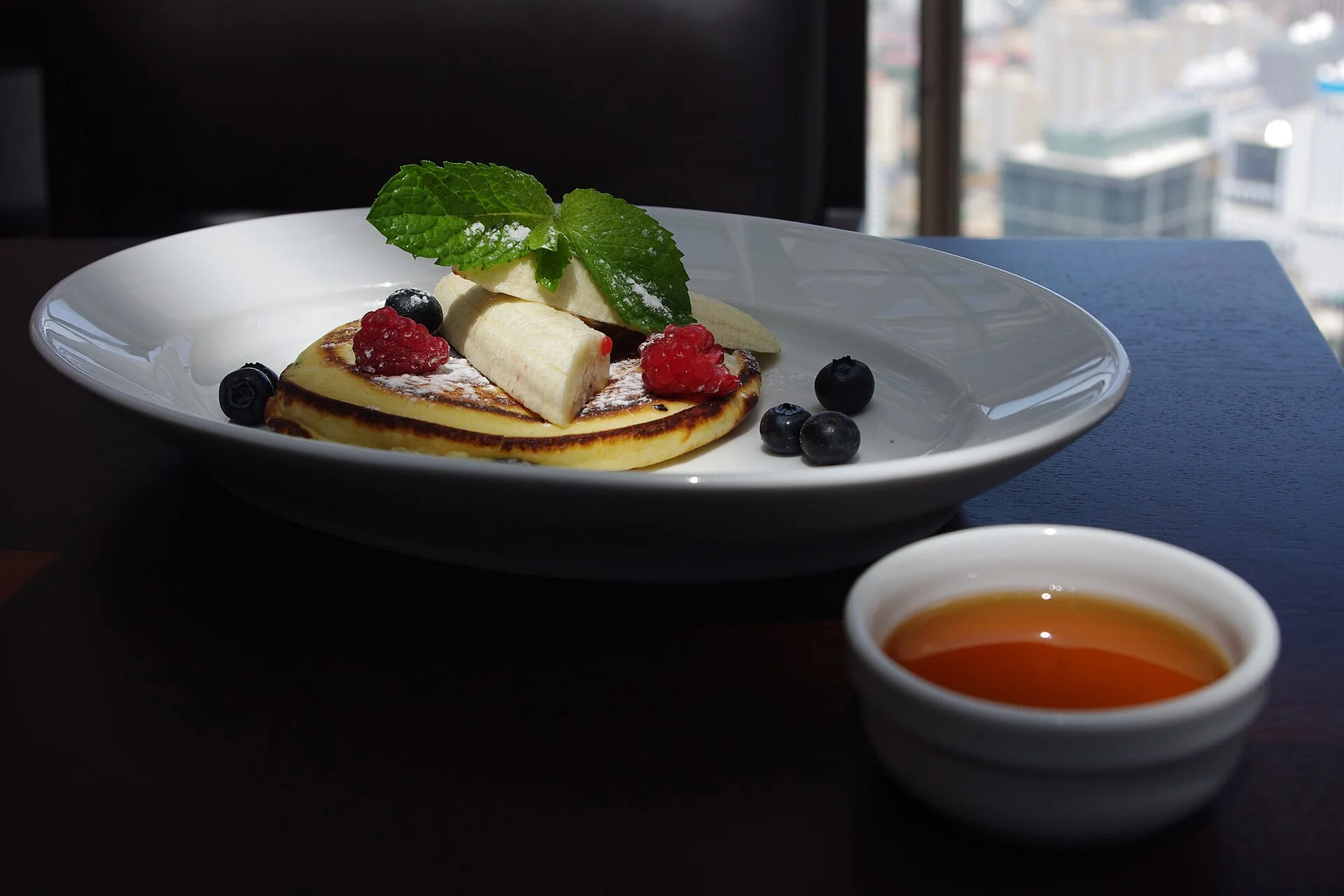
Photo: Matt @ PEK, CC BY-SA 2.0 – via Wikimedia Commons
Omelettes, Huevos and Savoury Plates
The savoury heart of the español menu de ihop is the egg section. In Spanish, huevos means eggs, huevos revueltos means scrambled eggs, and tocino means bacon. Jamón is ham, salchicha is sausage, and papas are potatoes, including the hash browns served with many combos. An omelette is often written as omelette or tortilla de huevo, and fillings are listed in the same way as in English: queso for cheese, champiñones for mushrooms, espinacas for spinach, pimientos for peppers, and cebolla for onion. A Denver style omelette, with ham, peppers, onions, and cheese, is a reliable order in either language, and staff will understand the English name if the Spanish term feels unfamiliar.
Egg combos, or desayunos combinados, pair eggs with a meat, potatoes, and toast or pancakes. Portions are generous, so a two egg plate with one side often leaves a diner comfortably full. You can ask for egg whites, or claras de huevo, and you can swap a side in most cases. If you have an allergy, say it clearly in either language and check the official allergen information as well, because recipes can change.

Photo: CharmaineZoe’s Marvelous Melange, CC BY 2.0 – via Wikimedia Commons
Almuerzo, Cena and Family Plates
After breakfast, the menu opens into almuerzo, which means lunch, and cena, which means dinner. Lunch plates include hamburguesas (burgers), sándwiches (sandwiches), ensaladas (salads), and pollo (chicken) plates. Dinner plates step up in size, with bistec (steak), pollo frito (fried chicken), and pescado (fish), served with sides such as puré de papas (mashed potatoes) or verduras (vegetables). Many locations serve breakfast all day, so panqueques at 7 in the evening are not unusual, but the exact hours vary by restaurant, and a few items may be limited to certain dayparts. Our IHOP dinner menu guide covers evening plates in full.
For families, the Spanish words help at the table as well as at the counter. Menú para niños means the kids menu, with smaller portions, a drink, and a simple side. Para compartir means to share, and para llevar means to take away. Teenagers often eat adult portions, so let them choose a regular plate and share a sweet plate as a table extra.
Drinks, Desserts and Sides in Spanish
On the español menu de ihop, drinks and sides are easy to mix up in translation, so a short list helps. Café is coffee, jugo is juice, agua is water, and leche is milk. A batido is a milkshake, often strawberry, or fresa, chocolate, or vanilla, or vainilla. Sides include papas fritas, which can mean fries, fruta for fruit, and pan tostado for toast. Postres means desserts, and helado means ice cream. If you want syrup on the side, the phrase jarabe aparte is clear and polite, and it also helps if you are watching sugar, since you control the amount poured.
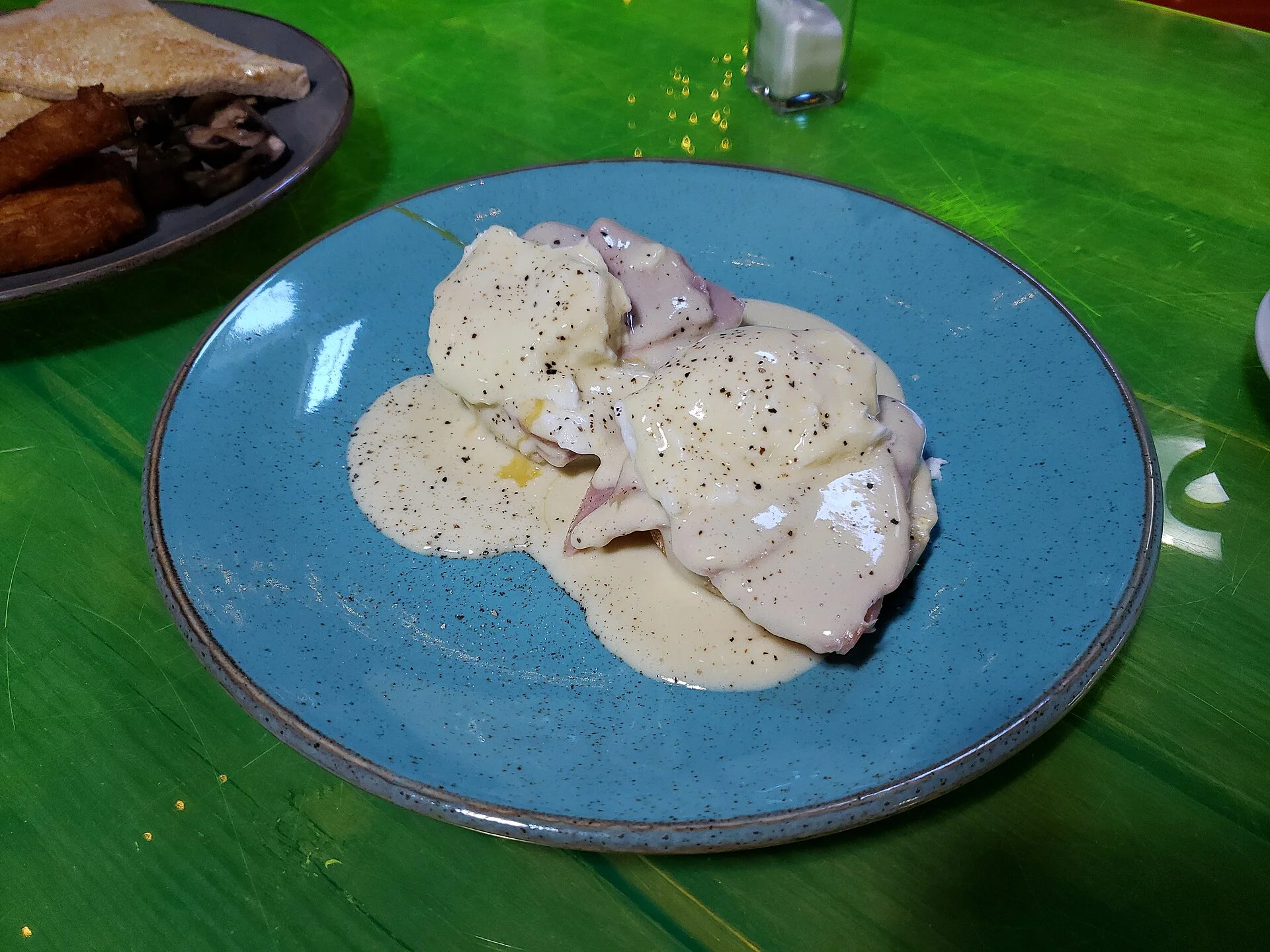
Photo: Andy Li, CC0 – via Wikimedia Commons
How to Use the Official Site Language Options
The most reliable way to check current items is the official site, and the español menu de ihop search should end there rather than on a translated copy. On the official IHOP site at ihop.com, look for the language or region setting, usually near the top of the page or in the footer, and switch it if a Spanish version is offered for your region. If none appears, use your browser translation tool on the official page as a reading aid only, and confirm the dish name against the English menu before you order.
For location details on the español menu de ihop, use the official store locator on ihop.com rather than guessing at addresses, phone numbers, or opening hours. This guide does not list those details, because they change and guessing would mislead readers. The locator helps you confirm whether a specific restaurant serves breakfast all day, and it is also the right place to check current local details before a visit. If you need help in Spanish in store, a short polite opener works well: ask whether someone on staff speaks Spanish, or show the dish name written down, in Spanish and English, which removes pressure on both sides.
At a Glance: Spanish Terms for the Main Sections
| Spanish term | English meaning | What to expect |
|---|---|---|
| Panqueques | Pancakes | Buttermilk stack, fruit stacks, specials |
| Tostadas francesas | French toast | Egg soaked bread, griddled, syrup or fruit |
| Omelette / tortilla de huevo | Omelette | Cheese, vegetable, meat fillings |
| Desayuno combinado | Egg combo | Eggs, meat, potatoes, toast or pancakes |
| Almuerzo | Lunch | Burgers, sandwiches, chicken plates |
| Cena | Dinner | Steak, fried chicken, fish plates |
| Postres y bebidas | Desserts and drinks | Ice cream, shakes, coffee, juice |
Ordering With Confidence in Either Language
For the español menu de ihop, a calm ordering routine works in either language. First, pick the section that matches your craving, then pick one main plate, then add a side or a drink only if the main feels incomplete. Point to the menu item, say the name in Spanish and English, and confirm the side choice out loud. If the server repeats the order back differently, correct the single item that differs rather than repeating the whole order. For a fuller English overview, see our IHOP breakfast menu guide and our IHOP pancakes menu guide.
One last distinction is worth keeping. This page explains the Spanish search and the Spanish terms for ordering, while the companion overview is a general Spanish titled menu summary. Readers who want to understand each dish and order with confidence will get more from this guide, which is why the two pages link to each other instead of repeating each other.

Photo: APK, CC BY-SA 4.0 – via Wikimedia Commons
Frequently Asked Questions
Does IHOP have a full menu in Spanish?
Availability depends on region and on the official site language setting for that region. Some official pages offer Spanish, while others are English only, in which case a browser translation of the official page is a reading aid, not a substitute for the in store English menu.
What does panqueques mean on the IHOP menu?
Panqueques means pancakes, most often the buttermilk stack, with fruit, chocolate, or seasonal toppings. In Mexico you may also see hot cakes for the same dish. A plain stack is panqueques sencillos, and a short stack is a pila corta, which suits a lighter appetite or a shared table order.
How do I ask for breakfast in Spanish at IHOP?
Desayuno means breakfast, and a simple order can name the dish in both languages, for example panqueques de suero de leche, the buttermilk pancakes, with café, coffee, on the side. Showing the dish name written down, in Spanish and English, also works well if speaking feels difficult, and staff are used to guests pointing to menu items.
Is the Spanish menu different from the English menu?
The dishes are the same, and only the language of the description changes, which is why the español menu de ihop is best read as a language guide rather than a separate menu. Prices, portions, and seasonal specials follow the same local menu as the English version, and prices vary by location in both languages.
Where can I check current items before I go?
Check the official IHOP site and the in store menu for current items, nutrition, and allergen details, and use the official store locator for location details rather than guessing. Third party translated lists can carry old prices or mistranslated toppings, so the official pages are the most reliable source.


1 comment